• 100% Authentic watches
  • Safe delivery or pick-up
  • Warranty & easy returns
Our collection

Watch Crown Control: The Little Knob on Your Watch

Let’s talk about crowns. No, not the kind on royal heads, the kind on your wrist. That small, unassuming knob sitting at 3 o’clock (or sometimes lurking elsewhere) isn’t just for show. It’s your direct line to your watch’s soul: winding, setting, correcting, and occasionally showing off.

Crowns vary wildly: from screw-down beasts built for deep dives to vintage-styled onion domes made for glove-wearing aviators. This guide unpacks what they do, how to use them, and why some deserve more attention than they get.

What is a Watch Crown?

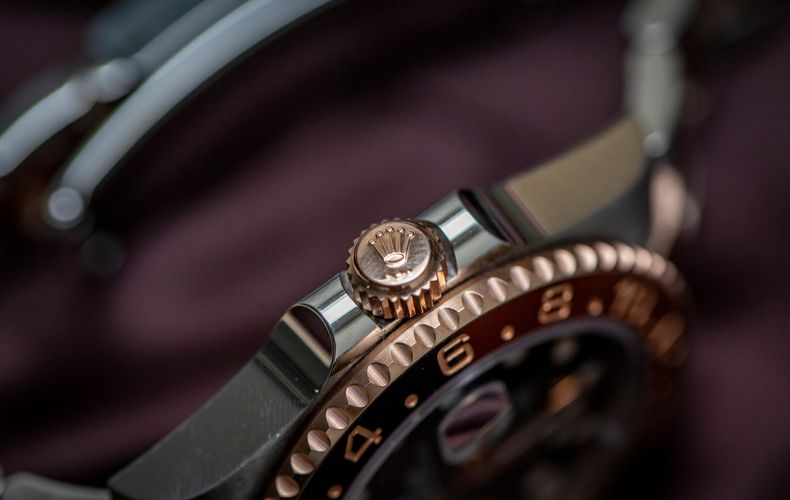
A watch crown is a small knob on the side of a watch case used to set the time, wind mechanical movements, and adjust additional functions. Located typically at the 3 o’clock position, the crown acts as the main interface between the wearer and the watch’s movement.

You can push, pull, twist, and occasionally curse the button. You use it to wind the mainspring on a mechanical, set the time and date, and manipulate any extra bells and whistles like a GMT or moonphase.

No crown, no control. It’s that simple.

What does a watch crown actually do?

Mostly, it sets the time. On mechanical pieces, it winds the mainspring. Pull it out one notch, and you’re likely adjusting the date. Pull it again, and you’re moving the hands. Some watches “hack” the seconds, freezing the second hand for pinpoint setting. Others let you adjust extra complications or a second time zone.

Multiple crown positions? That’s your signal you’re working with more than just basic timekeeping.

Why do some watches have multiple crowns?

Because sometimes one knob isn’t enough. One crown might adjust the time. Another might control an internal rotating bezel. A third might tweak a second time zone. It’s not about excess, it’s about clean, function-specific control. And sometimes, a touch of swagger.

Think of it as having dedicated buttons in a cockpit. Clarity, not clutter.

It’s easy to confuse a crown with chronograph pushers or even a helium escape valve. But crowns turn and pull, they set and wind. Pushers, on the other hand, start and stop a stopwatch. Don’t twist them! They’re not meant to turn, and forcing them can cause them to come loose and require professional reinstallation. And escape valves? They’re for saturation divers. Each has its place, but only one rules them all: the crown.

How to Use a Crown Without Wrecking Your Watch

Basic rule: be gentle. Most crowns pull out to different positions: one for winding, one for date, one for time. Screw-down crowns need a counterclockwise twist before they pop free. Always screw them back down when you’re done, especially if water is anywhere in the forecast.

Pro tips:

  • Never adjust the date when the hands are between 9 PM and 3 AM. That’s the danger zone. You’ll risk damaging the gears mid-shift.
  • Always take off your watch, set the time and other complications, and put the watch back on the wrist. Never adjust the crown while the watch is still on the wrist. Never. Safer, better.

Types of Watch Crowns (And What They Say About Your Watch)

Push-Pull Crown

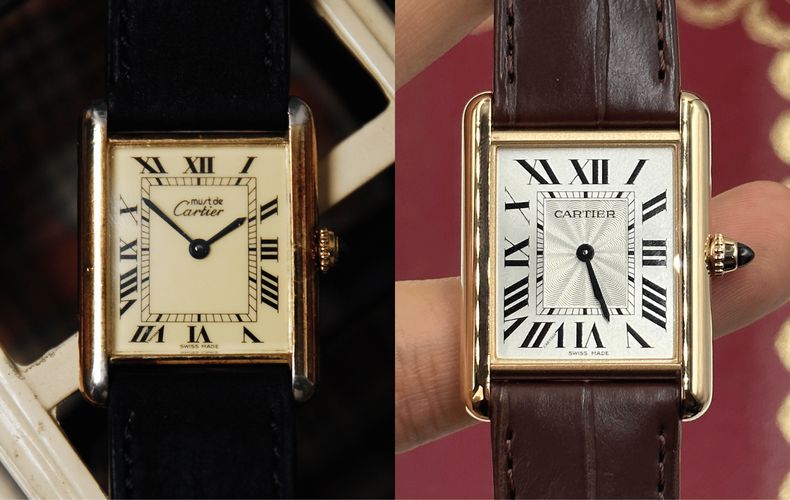
The standard issue. Pull to set, push to go. No frills. You’ll see this on dress watches and more casual timepieces. Easy to use, not built for aquatic adventures. If water resistance matters, this isn’t your go-to.

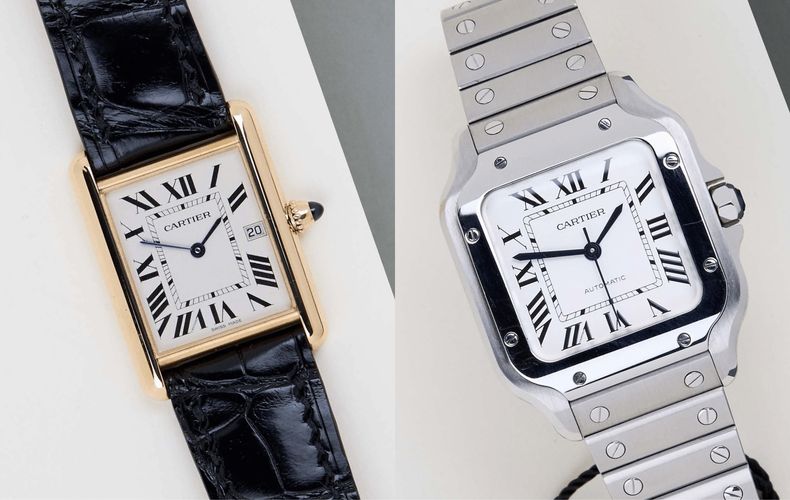
Spot it: No threading. Pulls straight out. Simple, smooth, and probably not diving anytime soon. You can spot it for example on the Cartier Tank and NOMOS Tangente, among a lot of other watches

Screw-Down Crown

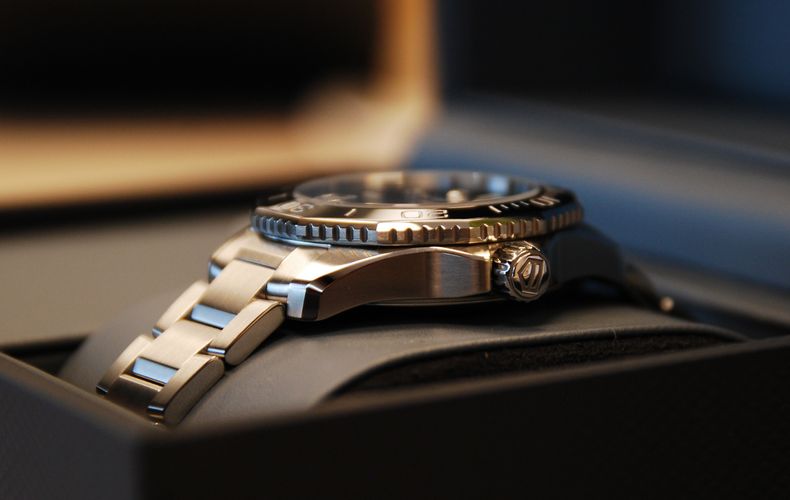
The diver’s choice. You’ll twist this one counterclockwise to unlock it, then adjust like normal. Once you’re done, screw it back in tight. That seal is what keeps the ocean out. It adds serious water resistance and looks the part on chunky tool watches.

Spot it: You’ll feel the threads. If it resists, it’s locking you out on purpose. It can be found on diving watches from nearly every watch brand producing them.

Onion Crown

A throwback with flair. Shaped like (surprise!) an onion, this crown is big, ridged, and glove-friendly. It came from aviation roots but now lives on mostly for the vibes. Adds a vintage accent that whispers “collector” without yelling.

Spot it: Round, bulbous, and ribbed for easy grip. Aesthetically distinct. Looking at the Longines Lindbergh Hour Angle or a Zenith Pilot Type 20 you can easily notice it.

Pilot Crown / Oversized Crown

It might feel like the same thing, let me explain. The pilot crown is built for altitude. Rugged designs, easy to adjust when needed (especially flying into multiple timezones). Big enough to use with gloves, so real tool-watch vibes here. When it comes to these oversized pilot crowns, one thing is good to know: the market sometimes talks about the pilot crown, while others name it the oversized crown. Pick the one you like, but it's kind of the same.

Spot it: Large, deeply grooved, and practical. You’ll know it when you see it. Some models of the IWC Big Pilot and Breitling Aviator 8 come with the normal crown. Some feature the pilot (or oversized) crown, which might be easier to adjust the time when needed.

Broken or Loose crown? Here’s the tell

If your crown spins endlessly, wobbles like a loose tooth, or refuses to engage the mechanism, you’ve got a problem. A faulty crown can let in water, mess with your movement, or just straight-up stop working.

The fix: Replace the crown, maybe the stem and gaskets too. Definitely let a pro handle it, no DIY glory here.

What’s inside a crown?

You’ve got the crown head (what you grip), the stem (which dives into the movement), gaskets (for sealing), and the case tube (housing for the whole operation). All these bits need to be aligned and sealed to keep your watch ticking and keep moisture out.

Are Crowns Different for Automatic vs. Quartz watches?

Functionally? A bit. Automatic and manually wound watches often need winding, so the crown sees more action. Quartz crowns mostly set time and date. Design-wise, they’re often interchangeable, but automatics may sport sturdier builds for daily use.

Final Word

Next time you’re fiddling with that little knob, remember, there’s real engineering behind it. Crowns are where design, functionality, and heritage collide. Whether yours is a minimalist pusher or a chunky diver’s dial, it’s worth knowing what makes it tick.

And if you’re ever unsure? Don’t force it. Just like with watches: it pays to turn slowly.

Wristler

Keep track on luxury watch trends & releases

  • First access to exclusive watches on Wristler
  • What to consider for your purchase
  • Latest watch trend reports

Copy the link below to click one of the platforms below.

  • 100% Authentic watches
  • Safe delivery or pick-up
  • Warranty & easy returns