100% Authentic watches
 Safe delivery or pick-up
 Warranty & easy returns








What Criteria Make A Watch A Dress Watch?
Proportions and Case Thickness
A dress watch should feel discreet on the wrist, both in diameter and thickness. Most formal pieces fall between 34 and 40 mm, with smaller sizes often appearing more refined. Just as important is the case height: around 7 to 9 mm allows the watch to slide cleanly under a shirt cuff without disrupting the line of a suit jacket. These proportions help distinguish a dress watch from sportier designs, which tend to be bulkier or visually heavier.
Dial Clarity and Complication Restraint
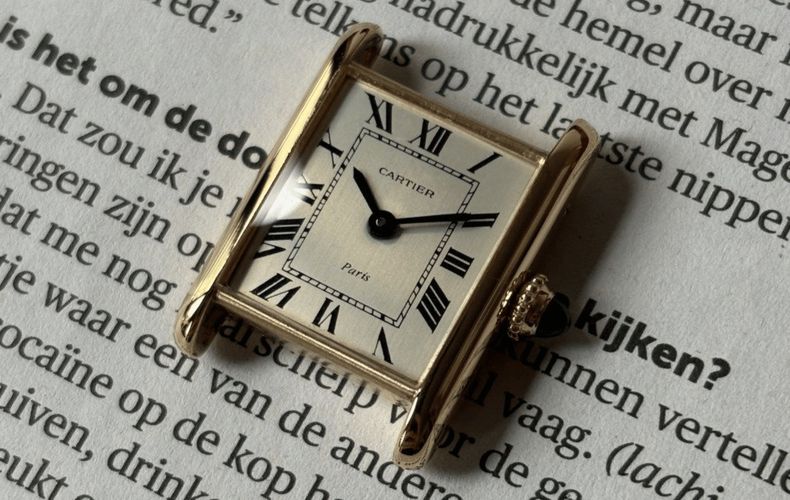
A proper dress watch keeps the dial uncluttered. Classic colors: white, silver, champagne, black, paired with simple indices or Roman numerals maintain clarity and balance. Complications should be minimal and intentional. A small seconds subdial or a moonphase can add refinement, but anything busy or technical quickly breaks the formal aesthetic. The strength of a dress watch lies in visual calmness.
Materials and Movement Choices
Sapphire crystal is preferred for its scratch resistance and long-term clarity. Movements may be mechanical or quartz, with thinness often taking priority over technical complexity. Leather straps remain the most traditional and elegant option, supporting the clean silhouette expected of formal wear, though a slim and unobtrusive bracelet can work in some cases.
My Personal View on What Truly Matters
While these are the broadly accepted standards, there are a few elements I personally consider defining. A dress watch should sit on leather, not steel, to preserve its softness and formality. If a complication is present, it should be something poetic: a moonphase rather than a date window, which tends to interrupt the dial. And though dress watches are historically tied to precious metals such as white or yellow gold, well-proportioned steel or tasteful gold-plated cases can deliver the same elegance when budgets require it. These preferences add a layer of character that, for me, completes what a dress watch should be.