• 100% Authentic watches
  • Safe delivery or pick-up
  • Warranty & easy returns
Our collection

The Modern Rolex Datejust buyer’s guide (2010-present)

Few watches balance versatility and prestige like the Rolex Datejust. Since 2010, the Datejust has quietly evolved into a modern daily wearer: stronger bracelets, improved calibers, and refined proportions, without losing the DNA that made it iconic. It’s for a reason that the Datejust is the most popular watch on Wristler: not just in availability, but also in actual sales volume.


Whether you’re considering a Lady-Datejust or a Datejust 41, understanding size, bezel, bracelet, and dial combinations is key to buying the right one. That’s exactly where this guide comes in. Below, we’ll break down every modern Datejust size, explain the often-overlooked Datejust II, and help you understand which configurations hold their value best. And if you need guidance along the way, just hit us up: create an account, save your searches, or add a few favorites. It makes it much easier for us to guide you properly.

Understanding the Modern Datejust Range

All Datejust models produced from 2010 onward share a few core traits that define the modern generation:

  • Sapphire crystal
  • 100m water resistance (but please don’t swim with these)
  • Solid-link bracelets
  • Modern Rolex calibers with improved efficiency and reliability

The differences come down to size and styling, not quality. That’s why choosing the correct size is the most important decision you’ll make. Once that’s settled, bracelet, bezel, and dial and materials choices become much easier to navigate.

Choosing the Right Size

Size is the single most important factor when buying a Datejust. These are the modern sizes available, starting with the Lady-Datejust at 28mm (yes, the 26mm existed before, but we’re focusing strictly on modern references) and going all the way up to 41mm.

Lady-Datejust 28mm

Elegant and jewelry-like. Ideal for smaller wrists or those who prefer subtle luxury. Surprisingly versatile when paired with neutral dials and a Jubilee bracelet.

Datejust 31mm

Balanced and refined. A strong everyday option that doesn’t feel oversized, yet still carries enough presence to work as a daily watch. Officially called the mid-size Datejust, so it would suit both men and women. To be honest: the Datejust 31mm is one of the most expensive versions within the Datejust range.

Datejust 36mm

The classic Datejust size is 36mm, as it was first introduced. Timeless proportions, excellent versatility, and historically the most “correct” Datejust size for many collectors.

Datejust II (41mm, discontinued)

Produced roughly between 2009 and 2016, the Datejust II was Rolex’s first attempt at a larger Datejust. It measures 41mm but wears noticeably chunkier than the current Datejust 41 due to its thicker bezel and broader case proportions. Some collectors love its bold presence; others find it less refined. If you want a bigger Datejust with a more robust feel, this is the one to look for. My personal opinion on the Datejust II? Skip this one.

Datejust 41

The modern statement. Introduced after the Datejust II, this model refined the 41mm concept with slimmer lugs, a more balanced bezel, and better overall proportions. Sportier than the 36mm, but still unmistakably Datejust.

It’s always a good idea to visit your local authorized dealer and actually try these sizes on. Compare them side by side if possible. Take photos, send them to us, and browse Wristler listings size by size: you’ll quickly know which one feels right.

Bezel & Bracelet: The Datejust Personality

The bezel and bracelet combination defines the character of your Datejust more than almost anything else. For modern Datejust models, there are two bezel options and two bracelet styles.

Bezels

Fluted bezel

Iconic, dressier, and unmistakably Datejust. Always made of gold: white gold, Everose gold, or yellow gold depending on the configuration. Reflects light beautifully and remains Wristler’s personal favorite.

Smooth bezel

Clean, modern, and understated. Made of stainless steel or gold depending on the reference. A great choice for those who want a quieter, more contemporary look. Opting for a jubilee bracelet and a wild dial? Pick the smooth bezel to create a balanced look.

Bracelets

Jubilee bracelet

The Datejust was originally introduced on Jubilee. The Five-link construction, extremely comfortable, and instantly recognizable. Slightly dressier, but still perfectly suitable for everyday wear. Due to the 5-link bracelet, the links are smaller and thus more comfortable on your wrist.

Oyster bracelet

Three-link construction with a sportier, more minimal feel. Ideal if you want your Datejust to lean slightly toward a tool-watch aesthetic.

Both bracelets are available in stainless steel and in two-tone configurations with yellow gold or Everose gold.

Dial Choices

Neutral dials like black, silver, blue, and champagne remain the most popular choices on Wristler, and for good reason. They’re easy to live with, easy to resell, and rarely feel dated. That popularity works in your favor: plenty of choice now, and strong liquidity later.

You’ll also find Roman numerals, diamond hour markers, and occasional Arabic numerals depending on the reference. Our pick? A blue dial Datejust. It simply never gets old.

More expressive options exist, such as mint green, darker greens on Lady-Datejust models, and special dials like the Wimbledon with its slate-grey base and green Roman numerals. There are some discontinued dials as well, such as the motif or palm dial. If this is your first Datejust, though, stick to baton (stick) indices and a neutral color. You’ll thank yourself later. Or go all-out with diamond indices, whatever suits your style best.

Most Sought-After Modern Datejust References (and Pricing on Wristler)

Below is an overview of the most in-demand modern Datejust references on Wristler, including typical marketplace pricing. Prices reflect good-condition, pre-owned examples and can vary based on year, condition, and box & papers.

ModelReferenceSizeBezel / BraceletTypical Wristler Price (€)
Lady-Datejust27917428mmFluted / Jubilee€7.000 – €12.500
Datejust27827431mmFluted / Jubilee€7.500 – €16.000
Datejust12623436mmFluted / Jubilee€9.000 – €11.000
Datejust12620036mmSmooth / Oyster€7.500 – €9.000
Datejust II11633441mmFluted / Oyster€8.500 – €10.500
Datejust II11630041mmSmooth / Oyster€7.500 – €9.500
Datejust 4112633441mmFluted / Jubilee€11.000 – €18.500
Datejust 4112630041mmSmooth / Oyster€8.500 – €13.500

What to Check When Buying Pre-Owned

When buying a pre-owned Datejust, details matter. Pay close attention to:

  • Case condition: Early 2010s Datejusts tend to have rounder case shapes than newer models
  • Bracelet stretch and clasp condition: Especially important on Jubilee bracelets. If there’s more stretch, you might need a revision sooner than later. And that’s expensive
  • Over-polishing: Some polishing is normal, but excessive polishing softens case edges. Softened cases mean less material and less favorable.
  • Box and papers: Not mandatory, but always add value and resale confidence

Wristler’s verified sellers and buyer protection significantly reduce risk, but condition still matters. A well-chosen Datejust should feel effortless on the wrist, and equally reassuring as a long-term purchase.

Finding Your Ideal Datejust (and What to Do Next)

Choosing the right Datejust isn’t about chasing trends, it’s about finding the configuration that fits your wrist, your lifestyle, and how you actually wear a watch day to day.

If you prefer subtle elegance or have a smaller wrist, the 28mm or 31mm models are hard to beat. In stainless steel with a fluted bezel and Jubilee bracelet, they strike a perfect balance between jewelry and tool watch. Stick to silver, champagne, or blue dials for maximum versatility.

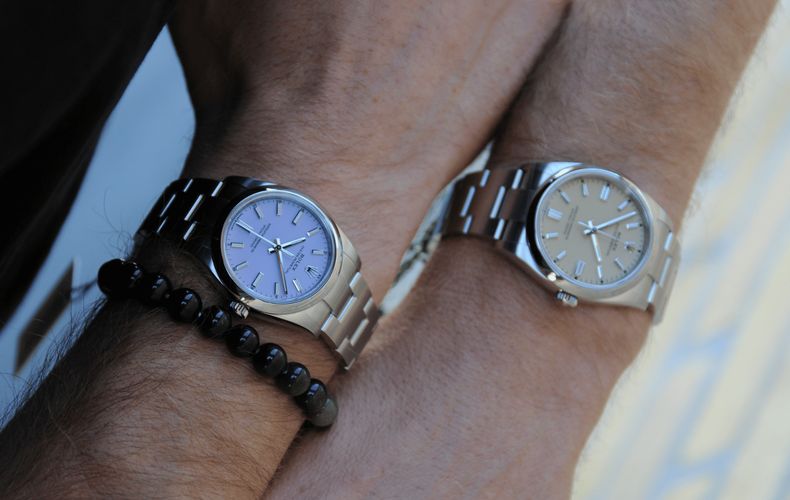
Here’s my wrist (Timo). Measured at 17.2cm, but with different watches so you’ll get to see what it looks like.

If you want the most timeless all-rounder, the 36mm Datejust remains the safest and most future-proof choice. It works on nearly every wrist size, pairs effortlessly with both casual and formal wear, and offers the widest selection of configurations. Our long-term recommendation: 36mm, fluted bezel, Jubilee bracelet, blue or silver dial. It’s difficult to outgrow, and even harder to regret.

If you prefer a bolder, more contemporary presence, the Datejust 41 is the modern answer. Choose the fluted bezel if you want unmistakable Datejust DNA, or a smooth bezel if you’re aiming for a cleaner, more understated look. Stainless steel or Rolesor (steel and gold) keeps the watch versatile without pushing it into “special occasion only” territory.

The Datejust II sits slightly outside the classic formula. If you like a larger, chunkier case and don’t mind proportions that lean more sporty than elegant, it can be an excellent value proposition, especially if you want 41mm presence at a slightly lower entry point.

Dial Colors & Materials: Keep It Simple, Keep It Timeless

If this is your first Datejust, neutral always wins. Blue, black, silver, and champagne dials age gracefully and hold value best. Baton hour markers remain the most versatile option. Diamonds, Romans, and special dials can be fun, but they’re easier to admire than to live with long term.

As for materials, stainless steel is the safest and most wearable choice. Two-tone (Rolesor) adds warmth and character, Everose (rose gold) is more classy, but works best when paired with classic dials and fluted bezels.

Ready to Find Yours?

The beauty of the Datejust is that there is a perfect version for almost everyone, you just need to narrow it down. Creating a free Wristler account lets you:

  • Save searches for specific sizes, references, and dial colors
  • Add favorites and track price movements
  • Get personal guidance once we know what you’re looking for

And if you want to stay ahead of the market, our newsletter brings you new listings, market insights, and standout Datejust configurations straight to your inbox. No spam, just watches worth your time.

Whether you’re buying your first Datejust or refining a collection, we’re here to help you get it right the first time.

Frequently Asked Questions About the Rolex Datejust

Is the Rolex Datejust a good everyday watch?

Yes. And that’s exactly what it was designed for. With a robust Oyster case, 100m water resistance, sapphire crystal, and modern Rolex calibers, the Datejust handles daily wear with ease. Whether you’re at the office, traveling, or wearing it casually, it’s one of the most versatile luxury watches ever made.

What is the best Datejust size for most people?

For most wrists, 36mm remains the sweet spot. It offers classic proportions, excellent comfort, and works equally well for casual and formal wear. Smaller wrists often gravitate toward 28mm or 31mm, while those who prefer a stronger presence usually choose 41mm.

What’s the difference between the Datejust II and the Datejust 41?

The Datejust II was Rolex’s first 41mm Datejust and has thicker lugs and a wider bezel, giving it a chunkier, more muscular look. The Datejust 41, which replaced it, features slimmer proportions and better balance on the wrist. The Datejust 41 is generally considered more refined, while the Datejust II appeals to those who want a bolder case.

Which Datejust configuration holds its value best?

Historically, stainless steel models with fluted bezels, Jubilee bracelets, and neutral dials (blue, silver, or black) are the most liquid and easiest to resell. The 36mm and 41mm sizes tend to perform best over time.

Should I choose a fluted or smooth bezel?

If you want a classic Datejust, go fluted. It’s iconic, made of gold, and instantly recognizable. A smooth bezel is more understated and modern, making it a good choice if you prefer a cleaner, sportier aesthetic.

Jubilee or Oyster bracelet: which is better?

Neither is objectively better, it depends on your style. The Jubilee is dressier, more traditional, and extremely comfortable for daily wear. The Oyster feels sportier and more minimal. From a resale and collectability standpoint, Jubilee bracelets are slightly more in demand.

Is two-tone (Rolesor) worth considering on a Datejust?

Absolutely. Two-tone Datejusts are classic Rolex and add warmth and presence, especially with yellow or Everose gold. They work best with fluted bezels and neutral dials. If you want maximum versatility, stainless steel is safer, but Rolesor is far from outdated.

Are diamond dials a good idea for a Datejust?

Diamond dials are a matter of taste. They don’t necessarily hurt value, but they are more niche and can limit resale options. If this is your first Datejust, stick to baton hour markers for maximum flexibility.

Is it better to buy new or pre-owned?

Buying pre-owned often makes more sense. You avoid the initial depreciation, gain access to discontinued references like the Datejust II, and often get better availability. Just make sure condition is good and the seller is verified.

What should I check before buying a pre-owned Datejust?

Focus on case sharpness, bracelet stretch, clasp condition, and signs of over-polishing. Box and papers aren’t mandatory, but they add value and confidence. Buying through a trusted marketplace like Wristler significantly reduces risk. Pre-owned will save you a lot of money.

Is the Rolex Datejust a good long-term watch?

Yes. The Datejust has remained relevant for decades and continues to evolve without losing its identity. It’s a watch you can wear daily, keep for years, and still pass on without it ever feeling outdated.

Wristler

Keep track on luxury watch trends & releases

  • First access to exclusive watches on Wristler
  • What to consider for your purchase
  • Latest watch trend reports

Copy the link below to click one of the platforms below.

  • 100% Authentic watches
  • Safe delivery or pick-up
  • Warranty & easy returns