Frequently Asked Buyer Questions About the Rolex Submariner (Date & No-Date)
Is the Submariner Date or No-Date better for first-time Rolex buyers?
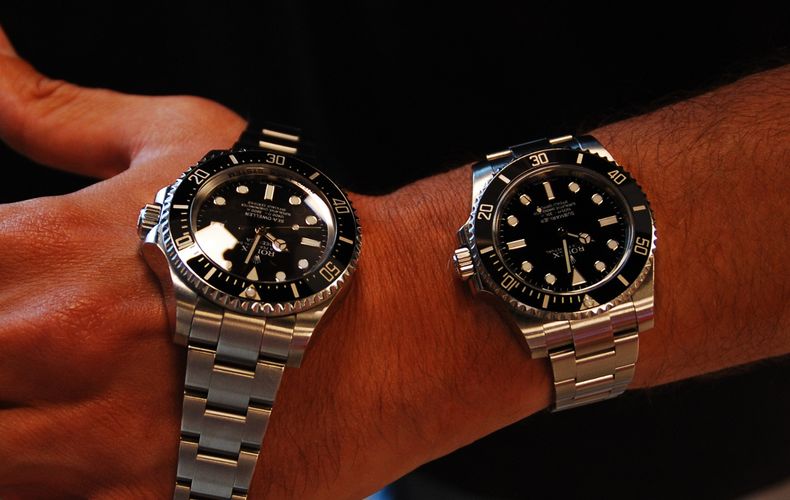
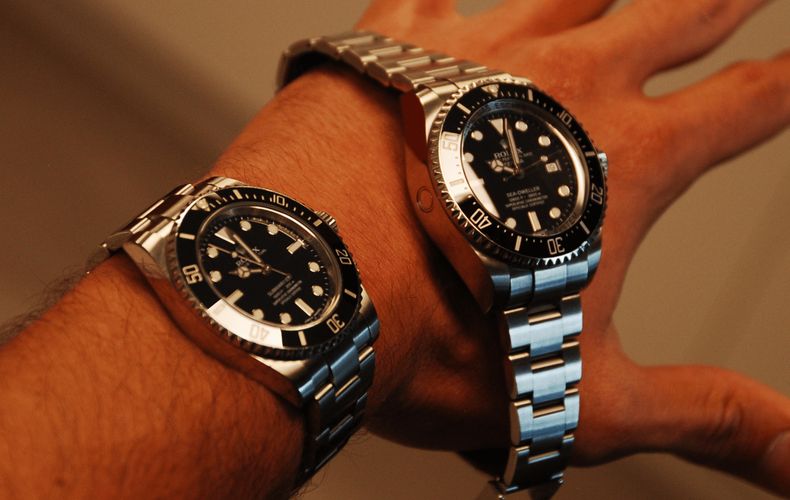
Most first-time buyers gravitate toward the Submariner Date because it feels more practical for daily wear and is easier to resell. The No-Date is often chosen later by collectors who already understand why symmetry and simplicity matter to them.
Does the Cyclops lens really scratch or fall off?
Scratching is rare. The Cyclops is sapphire, just like the crystal. It can be damaged by extreme impact, but detachment is extremely uncommon and usually linked to improper aftermarket work, not normal wear.
Which Submariner holds value better: Date or No-Date?
Historically, Date models are more liquid and easier to sell quickly. No-Date models can perform just as well long term, but usually reward patient collectors rather than short-term traders.
Are modern ceramic Submariners too bulky compared to older ones?
They wear larger due to broader lugs, not case diameter. Many buyers find modern models more comfortable thanks to improved bracelets and clasps, even if they prefer the slimmer look of 5-digit or vintage references.
Is the Rolex Submariner actually used for diving today?
Yes, but rarely. Most owners use it as a daily sports watch. That said, modern Submariners are genuinely dive-ready and meet professional ISO standards. Desk-diving is possible with the Sub.
Can I daily wear a vintage Submariner?
You can, but it’s a choice. Vintage Submariners handle daily wear if serviced correctly, but water resistance, tritium lume, and acrylic crystals require more care. Many owners rotate them rather than wearing them full time.
What matters more when buying pre-owned: box and papers or condition?
Condition always matters more. A sharp, unpolished case without box and papers is usually preferable to a heavily polished example with full set, unless resale timing is your main goal.
Is polishing always bad?
No, but over-polishing is. Light, sympathetic polishing during a correct service is acceptable. Loss of case geometry and rounded lugs permanently reduces value, especially on vintage and neo-vintage references.
Are green Submariners harder or more expensive to service?
No. Movements and parts are the same as standard Submariners. The only potential cost difference is bezel replacement, especially for discontinued green references.
Why do prices vary so much for the same reference?
Because reference numbers tell only part of the story. Condition, originality, service parts, polishing history, bracelet stretch, dial variation, and market timing all influence price, often more than the reference itself.
Is bracelet stretch a serious problem?
On older models, yes. Stretch affects comfort and value. Modern ceramic-era bracelets are significantly more robust and rarely suffer from meaningful stretch.
Are No-Date Submariners rarer than Date models?
In modern production, yes. No-Date models are produced in lower volumes. In vintage references, availability depends more on condition and originality than raw production numbers.
Which Submariner is easiest to resell?
Steel Submariner Date models, especially black dial versions, are consistently the easiest to sell due to broad demand and buyer familiarity.
Do service replacement parts hurt value?
They can. Service dials, hands, or bezel inserts reduce collector value on vintage and neo-vintage pieces. For modern Submariners, service parts matter far less, unless originality is a priority.
Is buying “unpolished” always worth paying extra for?
Usually, yes, especially for collectors. Sharp case lines preserve the watch’s original geometry and future value. However, for daily wearers, lightly polished examples can offer better value.
Should I buy the Submariner Date or No-Date if I only plan to own one watch?
If you want maximum versatility and ease of ownership, choose the Date. If design purity and long-term collecting appeal matter more than practicality, the No-Date is hard to beat.
 100% Authentic watches
 Safe delivery or pick-up
 Warranty & easy returns