 100% Authentic watches
 Safe delivery or pick-up
 Warranty & easy returns





Vintage Vacheron Constantin




We’ll keep
an eye on it
We’ll notify you of new matches
Vintage Vacheron Constantin, a quiet storm of taste and technique
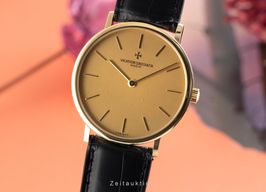
Founded in Geneva in 1755, Vacheron Constantin sits inside the Holy Trinity with Patek Philippe and Audemars Piguet. Vintage examples show why: sculptural cases, finely finished movements, and details that whisper rather than shout. For those who enjoy haute horlogerie that rewards close study, these watches deliver substance with style.
The audience is broad and not bound by gender. Think collectors who wear tailoring one day and denim the next, professionals who prefer rarity over hype, and enthusiasts who want heritage at the highest level. The vintage catalog leans dressy but spans chronographs, calendar pieces, minute repeaters, and a small yet meaningful run of integrated sports designs.
Design codes and materials
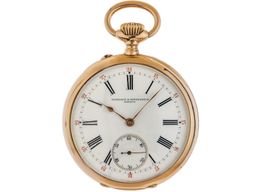
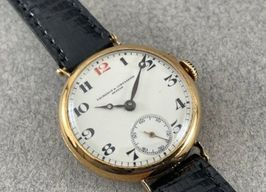
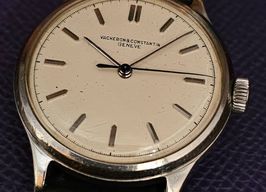
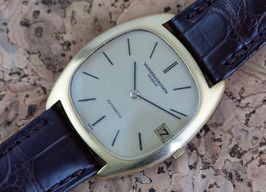
The brand’s evolution emerges in metals, lugs, and dial work. Yellow and rose gold dominate mid‑century production; white gold and platinum cater to connoisseurs. Stainless steel exists in small numbers and often commands a premium. Sizes trend compact, suiting today’s appetite for elegant proportions.
- Materials: yellow gold, rose gold, white gold, platinum, rare stainless steel
- Sizes: mostly 31–38 mm, sports outliers around 37 mm
- Dials: sector layouts, enamel, guilloche, applied batons or Roman numerals
- Signatures: teardrop lugs, claw lugs, Cornes de Vache
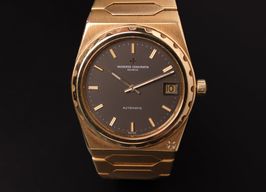
- Bracelets: leather, beads of rice or Milanese, integrated on the 222
Movements and complications
Calibers split between manual wind and thin automatics, prized for finishing and reliability. Ultra‑thin designs make cases wear like jewelry, while chronograph and calendar calibers showcase classical chronometry. Accuracy is consistent, and service parts remain available through specialists.
- Many ultra‑thin manual and automatic movements
- Functions: small seconds, date, power reserve
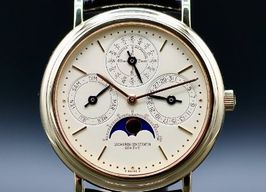
- Complications: chronographs, perpetual calendar, moonphase, minute repeater; occasional tourbillon or split seconds
Collectible highlights and references
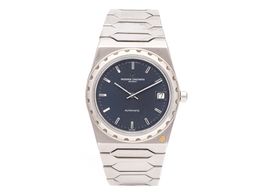
- Ref. 222: late‑1970s integrated sports watch with thin automatic and bracelet; reimagined in Historiques
- Ref. 6087 Cornes de Vache: mid‑century chronograph with horn lugs, echoed by the modern 1955
- Refs. 4178 and 4072: elegant two‑register chronographs from the 1940s–1950s
- Ref. 4240: triple calendar with characterful lugs and sector‑dial variants
- Ref. 4261 and related minute repeaters: rare, high‑interest pieces
Pricing and market context
Entry‑level gold dress pieces from the 1950s–1960s often trade around €6.500–€12.900 depending on condition, size, and dial originality. Desirable chronographs such as the 4178 or 6087 range from roughly €40.000 to well above €150.000. The 222 draws sustained interest, frequently north of €80.000. Grand complications vary widely; vintage steel, sector dials, and untouched patina typically add a premium.
Vintage versus modern
Modern Vacheron Constantin favors larger cases, better water resistance, and contemporary bracelets, think Overseas and current Historiques, while keeping the maison’s hand‑finished aesthetics. Vintage pieces offer feather‑light profiles, artisanal dials, and rare case architecture. If you value character and scarcity, vintage excels; for everyday versatility, modern wins. Many collectors own both, treating vintage as distinct heritage rather than pre‑owned Vacheron watches.
The through line is taste: from yellow‑gold mid‑century minimalism to a rare Cornes de Vache chronograph, Vacheron Constantin makes rarity look effortless.